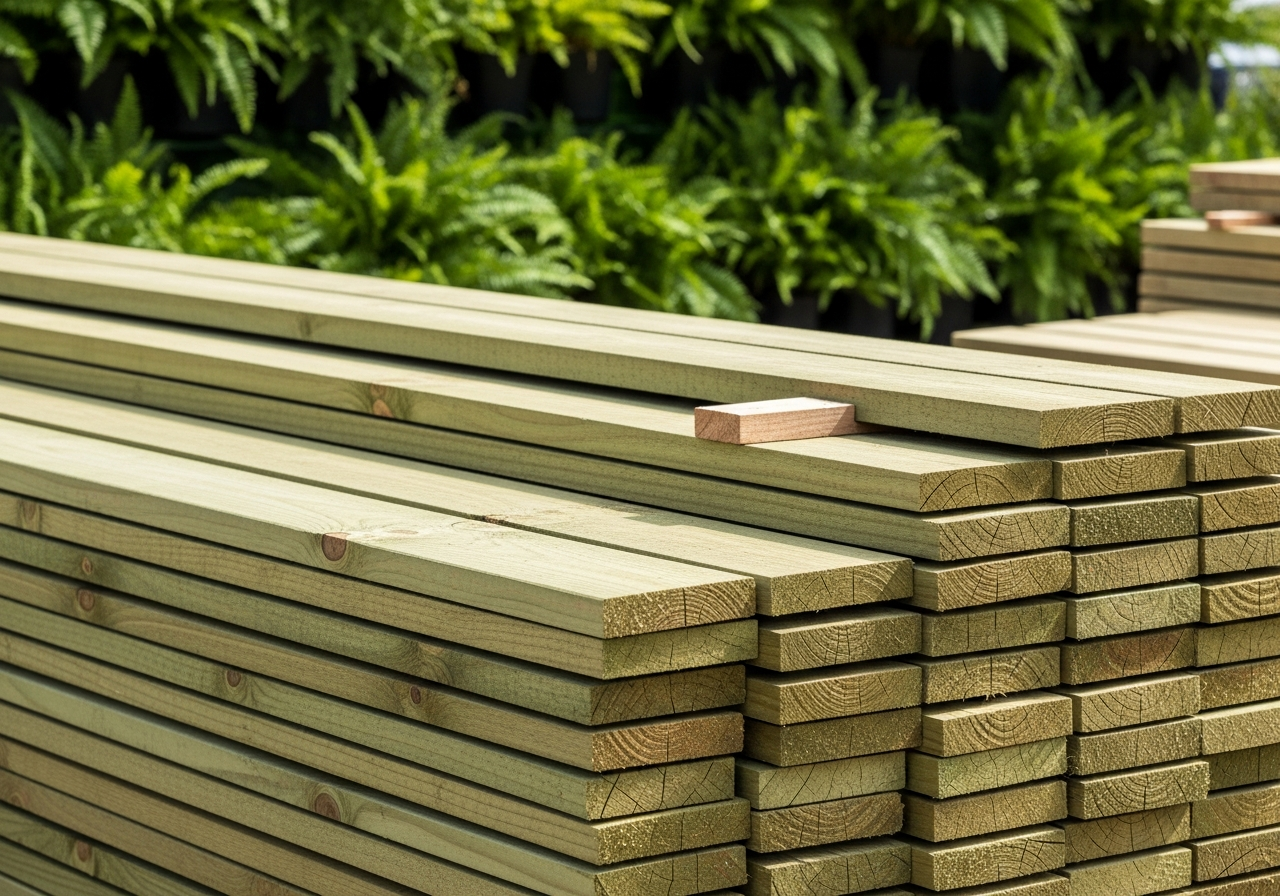
What to buy, how much, and why timber quality actually matters.
For a standard 8×6ft shed you'll be working with three main types of timber, each doing a different job. Here's what they are and what to look for.
The structural backbone. 47×100mm (2×4") is the standard for wall and floor frames. C16 is fine for most sheds; if you're building something more substantial, C24 is worth the extra pennies. Get it treated (tanalised) — it's brown-green and resistant to rot.
For the floor, roof deck, and sometimes walls. OSB3 is the one you want — it handles moisture. Don't use standard OSB2 outside, it goes soggy and horrible. 18mm for floors, 11mm for roof decking.
The visible outer skin of your shed. Options include featheredge, shiplap, and tongue-and-groove. We've got a whole page on this — see the cladding section. Generally 100–125mm wide boards.
Where to buy: B&Q and Wickes are convenient but not always the cheapest. Local timber merchants or builders' merchants (Travis Perkins, Jewson) often have better quality and better prices — plus they can cut to length for you, which is brilliant.
This is a rough guide — your exact list will depend on design. Always add 10% for waste and mistakes. It's not defeatist, it's sensible.
| Item | Qty | Use |
|---|---|---|
| 47×100mm treated (3m lengths) | 20–24 | Frame |
| 47×75mm treated (3m lengths) | 8–10 | Noggins & rafters |
| OSB3 18mm (2440×1220) | 5 | Floor |
| OSB3 11mm (2440×1220) | 4 | Roof deck |
| 47×47mm treated (3m) | 6 | Roof battens |
| Item | Qty |
|---|---|
| 90mm structural screws | 200 |
| 50mm wood screws (for OSB) | 200 |
| Galvanised joist hangers | 8–12 |
| Framing brackets / angle iron | 16 |
| 3" round wire nails | 1kg |
| Roofing felt nails | 500 |
Cost guide: For an 8×6 shed, expect to pay roughly £350–£600 on timber and sheet material alone, depending on quality and supplier. Add another £100–150 for fixings, felt, and other consumables.
Yes. But not in every case. Here's the honest breakdown:
Tanalised (pressure-treated) timber has preservative forced into the wood cells under pressure. It resists rot and insect damage. It costs a bit more but untreated timber outside will start going off within a few years. Not worth the saving.
C16 structural timber with a few knots in it is perfectly fine for your frame. You don't need perfect clear-grained timber that's going to be boxed inside a wall. Save the better stuff for visible work.
Hold each length of timber up to your eye along its edge and look down it. Any twist or bow will cause you no end of grief when you try to build with it. Reject warped pieces at the merchant — you're well within your rights.
For a standard shed, softwood (usually Scots pine or spruce, sold as "C16" or "C24") is absolutely fine and much cheaper. Hardwood is usually overkill unless you're building something very special.
Time to get your hands dirty. Let's start at the bottom — the foundation.